
Be Response Ready: Where Preparation and Adaptation Go to Work
By Ryan Provencher, Founder of Firefighter Peak Performance and Executive Fitness Advisor for CRACKYL Magazine
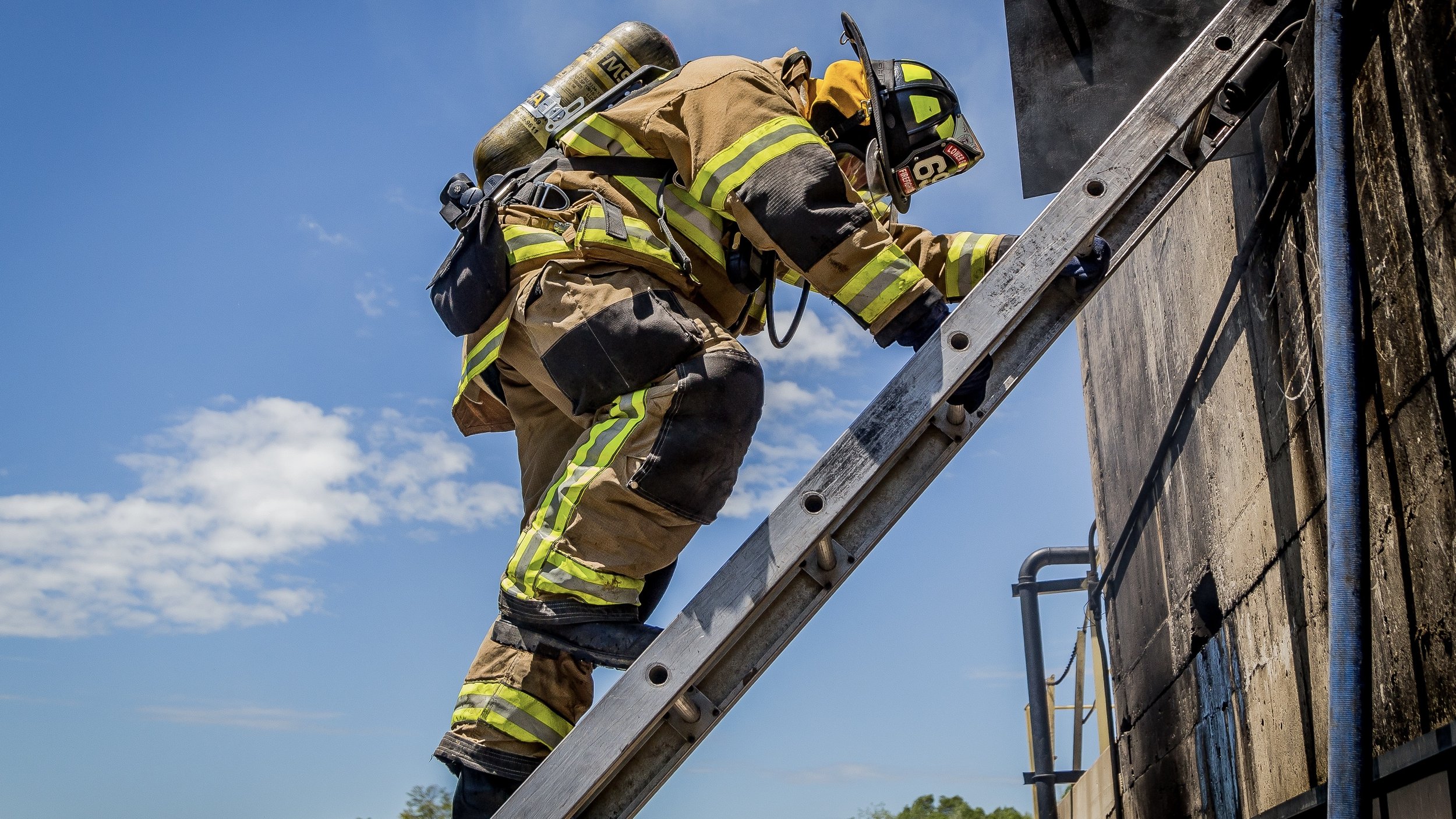
When you’re called into action, preparation and adaptation show up in how you perform on scene. This is what it means to Be Response Ready.
Firefighters don’t get to choose when the call comes in. The situation unfolds in real time, and conditions are rarely ideal. There is no warm-up, no reset, and no opportunity to ease into the work. From the moment you step off the apparatus, you are expected to perform at a high level.
In Part 1 of this series, we established what it means to Train With Purpose through intentional preparation for the demands of the job.
In Part 2, we saw how that preparation drives adaptation, building the capacity to Perform With Confidence as strength, endurance, movement quality, and resilience develop over time.
Now in Part 3, the focus shifts to how preparation and adaptation come together in real-world application so you will Be Response Ready when it matters most.
As preparation turns into performance, one distinction becomes clear.
Being fit is not the same as being ready. Fitness reflects what you can do in a controlled environment. Readiness is your ability to apply that capacity in dynamic situations and adverse environments.
On the fireground, fatigue accumulates, decisions carry consequences, and the margin for error is small. How you perform in those environments is not decided in the moment. It is the result of preparation that has been tested and adaptation that has taken place over time.
Preparation builds capacity, and adaptation fosters confidence. Readiness is the ability to use both in high-stakes emergency response.
When Readiness Is Put to Work
Emergency response is where preparation drives performance. You arrive on scene. The assignments are given. The work begins. The situation sets the pace. Tasks unfold in sequence, and the environment continues to evolve in real time.
This is where readiness is revealed.
You don’t rise to the occasion. You perform at your level of preparation.
Strength shows up in how efficiently you handle equipment. Endurance is reflected in your ability to sustain effort across multiple tasks. Movement quality determines whether you maintain control or begin to break down as fatigue builds. Resilience enables you to work effectively in adverse conditions and maintain that performance over time.
Readiness is physical, mental, and emotional. As the situation becomes more demanding, your ability to stay focused, make sound decisions, and manage your emotional response defines how you perform. Confidence developed in preparation shapes how you engage with the work in front of you.
This is not about perfect execution. It is about consistent execution in imperfect conditions.
In training, variables are managed and controlled. In emergency response, they are not. The environment is less predictable, the demands are higher, and the consequences are real.
What carries over from the gym is not the workout itself. It is the capacity built through intentional preparation and your ability to apply that capacity in real-world conditions.
When Preparation Becomes Performance
In Part 1 of this series, we introduced the Seven Foundations of Training With Purpose. In Part 2, we saw how those principles drive adaptation and build the capacity required for the job.
Here is how that preparation and adaptation carry over to performance.
Movement quality becomes efficiency under stress. You move with control. Safe body positions are maintained, force is transferred effectively, and unnecessary energy loss is minimized.
Job-specific training carries over to the fireground. The movement patterns trained in the gym translate directly to the tasks on the job. The work feels familiar, even when the environment is not.
Progression becomes durability. Performance does not drop off after the initial effort. Capacity holds across multiple tasks and extended operations.
Energy system development improves your ability to manage your effort. You can sustain effort when needed and increase it when required without breaking down.
Recovery becomes resilience. Performance is not limited to a single effort. It carries across calls, across shifts, and throughout your career.
Measurement builds awareness. You understand your pace, effort, and movement, and you adjust based on what the situation demands.
Autoregulation allows you to maintain control in real time. As conditions change, you adjust effort, maintain movement quality, and manage intensity without exceeding what can be sustained.
Putting It All Together
Training is not the same as just working out.
Working out can challenge you in a single session and build general fitness. It does not prepare you for the demands of the job.
Training with purpose is different. It is built around the realities of the work, developing capacity that carries beyond the gym.
That distinction matters when conditions are unpredictable and the stakes are high.
What you build through training is what you rely on in emergency response.
That is what separates being fit from being ready.
Preparation builds capacity. Adaptation reinforces it. Over time, confidence follows.
Readiness is where it all comes together.
You move with purpose. You work with control. You manage effort instead of reacting to it. You stay composed as the situation evolves.
Not because the job is easier, but because you are prepared for it.
This approach extends beyond the call. It shapes how you recover, manage fatigue, and sustain performance over time. It influences not only how you work, but how you live.
This is the standard you build toward.
Not just to train.
Not just to improve.
But to prepare in a way that shows up when you’re called into action.
And when the call comes, you won’t need to wonder if you’re ready.
You’ll already know.