
The 8 Pillars of Recruit Academy Fitness Programming
By Ryan Provencher, Founder of Firefighter Peak Performance and Executive Fitness Advisor for CRACKYL Magazine
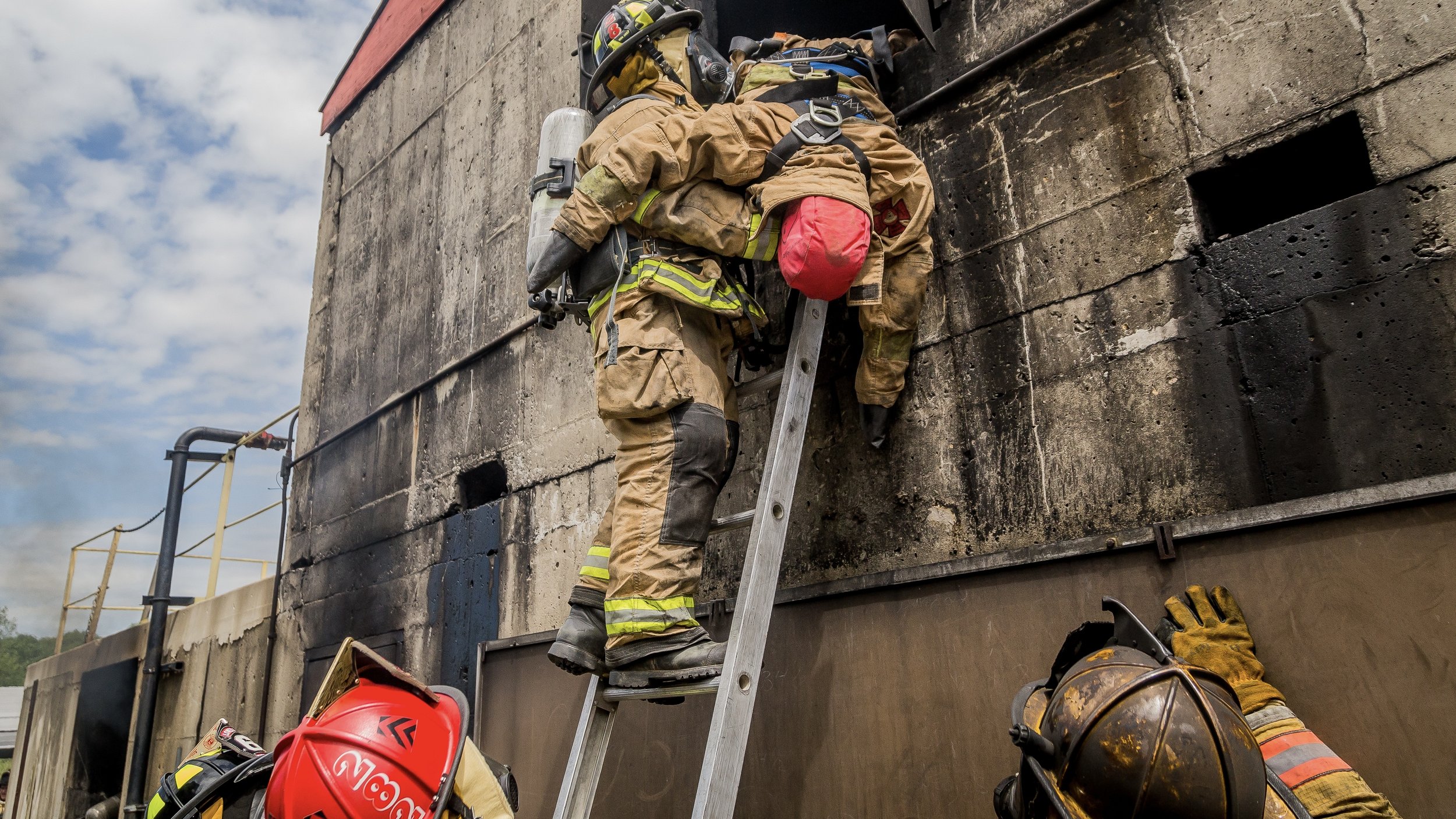
Recruit academy fitness programming requires more than random workouts. Learn eight pillars that improve performance, reduce preventable injuries, and support long, healthy careers.
Recruit academy may be one of the most physically and mentally demanding experiences in a firefighter's career.
Recruits are expected to learn new skills, absorb enormous amounts of information, perform under constant evaluation, and adapt to long hours, physical labor, sleep disruption, and significant psychological stress.
At the same time, departments need recruits to successfully adapt to these demands and graduate as healthy, physically capable, and resilient firefighters who are prepared for the realities of the job.
One of the greatest threats to that outcome is preventable injury. Injuries can interrupt adaptation, limit participation, compromise learning, undermine confidence, and create setbacks that affect both academy performance and long-term readiness.
This is exactly why I believe the number one rule of recruit academy is simple:
Don't get hurt.
I'm not suggesting recruit academy should be easy. The fire service is demanding, and firefighters must be capable of performing difficult tasks under stressful conditions.
But there is a significant difference between challenging recruits in ways that build capacity and resilience and unnecessarily breaking them down.
Over more than a decade working with firefighter recruits, I've watched this adaptation process unfold again and again. Recruits arrive eager but uncertain. Some have strong athletic backgrounds, while others are stepping into the most demanding environment they have ever experienced.
Regardless of where they start, they all share one thing in common:
They have not yet adapted to the specific demands of the job.
Then, through intentional training, something begins to change. They move with more confidence. Their breathing steadies under effort. Tasks that once felt overwhelming become more manageable.
Not because the work has become easier.
Because they have become more capable.
And that's precisely what recruit academy fitness programming should accomplish.
Unfortunately, not every academy fitness program is built around this philosophy. I've seen programs that intentionally develop resilient firefighters. I've also seen programs built around random workouts, exercise as punishment, and a "test their mettle" mentality. The result is often unnecessary fatigue, preventable injuries, and setbacks that interfere with the academy's true mission of developing firefighters.
Recruit academy fitness programming should accelerate adaptation to the demands of the job, not create preventable setbacks that interfere with learning and development.
Reducing injury risk while optimizing performance requires far more than simply putting recruits through random workouts. It requires an intentional system that develops physical capacity, manages cumulative stress, prioritizes recovery, and supports long-term health and performance.
The impact of this intentional approach extends far beyond academy graduation.
The habits and expectations established during recruit academy often shape how firefighters approach their health, fitness, and wellness throughout their careers.
That makes recruit academy one of the greatest opportunities a department has to influence the long-term health, fitness, and wellness of its firefighters. For many recruits, it is their first exposure to structured physical training, recovery strategies, nutrition education, injury prevention, and intentional approaches to managing stress and performance.
The goal is not to see how much punishment recruits can tolerate. The goal is to intentionally develop physically capable, resilient firefighters while building a culture of fitness and laying the foundation for long-term health and career success.
Over the years, these experiences have shaped what I call the Recruit Academy Performance Framework—eight pillars designed to help departments build safer, smarter, and more intentional fitness programs that reduce preventable injuries, optimize performance, and develop firefighters for both academy success and career longevity.
Pillar #1: Educate First
Common Mistake: Failing to recognize recruit academy as a critical opportunity to educate firefighters about fitness, wellness, and long-term health.
Better Practice: Use recruit academy to establish a foundation of fitness and wellness education. For many recruits, this is their first exposure to structured physical training, recovery strategies, nutrition, injury prevention, and intentional approaches to managing stress and performance.
It is also an opportunity to discuss the realities of the profession, including cardiac disease, cancer risk, mental health challenges, and the thousands of preventable injuries firefighters experience every year.
Recruit academy fitness programming is about much more than exercise.
It may be the first and best opportunity to shape how firefighters think about health, fitness, and wellness for the rest of their careers.
Just as firefighters must understand incident command and fireground operations before taking action, recruits should understand the purpose behind their fitness and wellness program before beginning training.
Pillar #2: Establish Baseline Fitness
Common Mistake: Beginning physical and occupational training without first understanding each recruit's current fitness level, movement capabilities, injury risk, and opportunities for improvement.
Better Practice: Conduct baseline assessments before training begins. Just as firefighters perform a size-up before developing an Incident Action Plan, recruit fitness programming should begin with a clear understanding of current conditions.
In our academies, this included both a General Fitness Assessment based on the IAFF/IAFC Wellness-Fitness Initiative and a Firefighter Tactical Fitness Assessment that evaluated work capacity, movement quality, and readiness using objective and subjective performance metrics.
Baseline assessments identify strengths and limitations, reduce injury risk, and provide benchmarks that guide programming and make progress measurable.
Intentional training begins with a Size-Up.
Understanding where recruits are today allows us to apply the right training at the right time, reducing injury risk while building the physical capacity and resilience needed to succeed in recruit academy and beyond.
Pillar #3: Train for the Demands of the Job
Common Mistake: Relying on random workouts, exercise as punishment, or a "test their mettle" mentality that disconnects physical training from the demands of recruit academy and firefighting.
Better Practice: Develop a structured, job-specific tactical fitness strategy that prepares recruits for both academy training and emergency response. Training should progress through an intentional and adaptable plan that develops the movement patterns, energy systems, and physical capacities required to perform the job safely and effectively.
Every training session should answer one simple question: How does this make someone a better firefighter?
Not every department has the expertise to design and oversee a recruit fitness program. Too often, responsibility falls to the most physically fit instructor rather than someone with education and experience in coaching, program design, and firefighter performance.
When those capabilities are not available internally, partnering with a qualified fitness professional can help ensure programming is safe, intentional, and aligned with academy objectives.
I was once brought in as a consultant for a recruit academy whose fitness programming consisted primarily of running and sprinting. The outside fitness instructor told recruits they would be beaten up and broken down by graduation. Unfortunately, that prediction became reality. Multiple recruits sustained preventable injuries that limited participation and disrupted learning.
The objective of recruit academy fitness programming is not to determine how much punishment recruits can tolerate. It is to systematically build more capable firefighters while reducing unnecessary fatigue and preventable injuries.
On the fireground, Strategy defines the overall plan for accomplishing the mission. Recruit academy fitness programming deserves the same level of intentionality.
Pillar #4: Manage Total Training Load
Common Mistake: Programming physical training without accounting for the physical and psychological demands of recruit academy.
Better Practice: Treat recruit academy as an "in-season" progressive training cycle that accounts for the total demands placed on recruits.
Physical training is only one piece of the stress equation.
Hose evolutions, ladder work, victim drags, long hours on your feet, heat exposure, sleep disruption, academic requirements, and performance pressure all contribute to cumulative fatigue and influence readiness, recovery, and performance.
Training intensity should complement these changing demands. High-demand training weeks may require lower-intensity physical training, active recovery sessions, and intentional deload periods to promote adaptation, reduce injury risk, and ensure recruits remain physically and mentally prepared to learn and perform.
Autoregulation also plays an important role in managing total training load. Instructors should be willing to adjust training demands when cumulative stress becomes excessive, and recruits should learn to modify intensity based on readiness while preserving movement quality and training intent. Some days require pushing harder. Others require pulling back to recover and prepare for the next training session.
Structure provides direction. Autoregulation provides adaptability.
The goal isn't to stack stress upon stress. The goal is to apply the right stress at the right time.
On the fireground, Tactics are the specific actions that support the overall strategy. Recruit academy fitness programming should be no different.
Daily workouts are tactical decisions within a larger, structured fitness strategy that continually adjusts intensity and recovery to optimize performance, reduce preventable injuries, and prepare recruits for the demands of the profession.
Pillar #5: Coach Movement Quality
Common Mistake: Missing the opportunity to teach biomechanics, movement quality, self-awareness, and intelligent training that helps recruits move efficiently, perform confidently, and reduce injury risk.
Better Practice: Use every workout to coach movement quality and teach how movement patterns translate to performance on the drill ground and fireground.
Teach recruits proper biomechanics, breathing strategies, intensity regulation, and self-monitoring while reinforcing fundamental movement patterns, including squatting, hinging, lunging, pushing, pulling, carrying, rotating, and locomotion.
Help recruits understand not only what they are doing, but why they are doing it.
Tools such as the 6-Point Self-Check and Movement Rating encourage recruits to become active participants in their own development and learn to train with greater intention.
The gym is more than a place to improve fitness.
It is another classroom and another drill ground where recruits learn to move efficiently, perform safely under load, and build confidence in their physical capabilities.
Tasks are the individual actions that bring strategy and tactics to life on the fireground. In recruit fitness programming, every exercise, coaching cue, and repetition should intentionally develop movement quality and support real-world performance.
Pillar #6: Prioritize Recovery
Common Mistake: Viewing recovery as time away from training rather than an essential component of adaptation, performance, and injury prevention.
Better Practice: Build recovery directly into the training plan on both a daily and weekly basis. Sleep, hydration, nutrition, mobility, low-intensity aerobic training, active recovery, and stress management are all essential components of physical preparation.
Recovery allows the body and mind to adapt to the cumulative demands of recruit academy, restore readiness, and prepare for the next challenge. Teaching recruits to understand and prioritize recovery early in their careers reinforces habits that improve performance, reduce injury risk, and support lifelong health and resilience.
Recovery is not the absence of training. It is an essential component of training that supports adaptation, optimizes performance, and builds resilience.
Just as firefighters use Rehab to restore readiness and safely return to operations, recovery strategies should be intentionally integrated into recruit fitness programming to ensure recruits can continue learning, training, and performing at a high level.
Pillar #7: Measure Performance
Common Mistake: Treating workouts as physical tasks to complete rather than opportunities to measure performance, identify trends, and guide future training decisions.
Better Practice: Scoring the workout is part of the workout. Track objective metrics such as time, load, repetitions, and heart rate alongside subjective measures such as effort, movement quality, discomfort, focus, and dexterity.
These metrics make progress visible and provide valuable information for adjusting training and supporting recovery. More importantly, they help recruits become self-aware athletes who understand how their body responds to physical and occupational stress.
If it's measurable, it's manageable.
Performance metrics transform each training session into an opportunity to reflect, learn, and grow moving forward.
Just as an After Action Report evaluates what went well, what needs improvement, and what should change next time, performance metrics help recruits train with greater purpose and continually improve both in the gym and on the job.
Pillar #8: Monitor Readiness and Encourage Communication
Common Mistake: Relying on an old-school culture of intimidation and one-way communication that pressures recruits to push through fatigue and discomfort rather than communicate concerns and adjust training based on readiness.
Better Practice: Create a culture where recruits regularly communicate how they are feeling physically and mentally.
In our academy, we often began Monday mornings with a simple question:
"How is your body feeling?"
The answer frequently guided the day's physical training. Recruits were encouraged to communicate soreness, fatigue, and discomfort early and use the autoregulation strategies they had learned to appropriately modify training demands.
Listening to your body and communicating concerns early is not an excuse to avoid hard work. It is an essential part of training intelligently and sustaining performance.
Making appropriate adjustments based on readiness is not weakness. It is professionalism.
Just as firefighters continuously size up and adapt to changing conditions on the emergency scene, recruits should continually assess how they are feeling, communicate concerns early, and modify training demands to optimize performance and reduce injury risk.
Putting It Into Practice
Effective recruit academy fitness programming deserves the same intentionality we bring to the fireground.
We would never respond to an emergency without conducting a size-up, developing a strategy, implementing tactics and tasks, continuously assessing conditions, and evaluating our performance afterward. The Recruit Academy Performance Framework simply applies those same principles to the physical development of firefighter recruits.
When approached with purpose and adaptability, academy fitness becomes far more than a series of workouts. It becomes a system that improves performance, reduces preventable injuries, reinforces a culture of fitness and wellness, and lays the foundation for long, healthy careers in the fire service.
Perhaps the most important question for every department is this:
Are we breaking recruits down through random workouts and unnecessary fatigue? Or are we intentionally building firefighters who are physically capable, resilient, and Response Ready for the demands of the profession?
The answer should be clear. The goal of recruit academy fitness programming isn't simply to make recruits sweat. It's to intentionally build firefighters who are physically capable, resilient, and prepared for long, healthy careers in the fire service.